

Resource hub
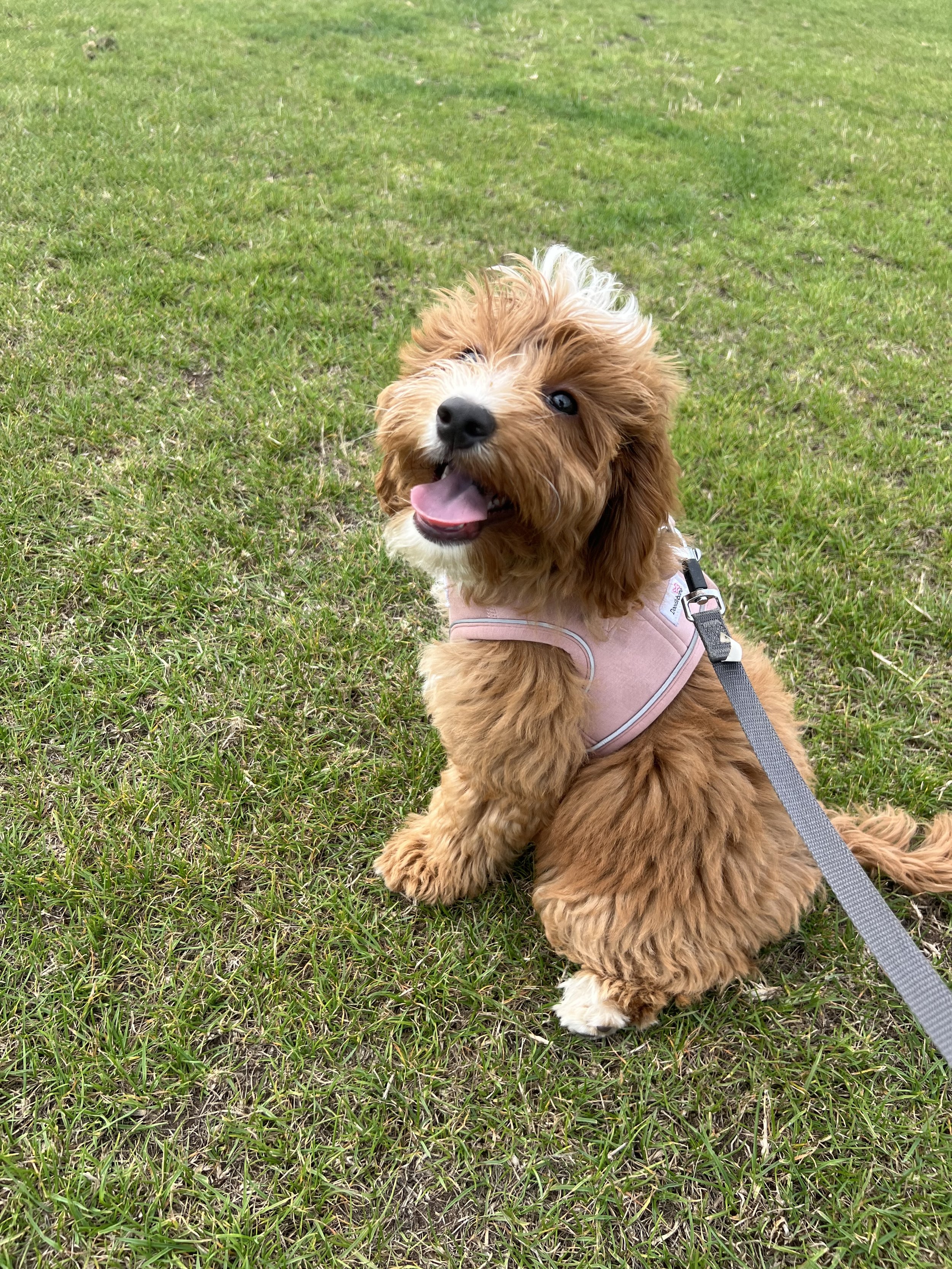
The Power of Markers.
It All Begins Here
Ever feel like your dog almost understands what you want, but the timing is just a little bit off? That is where markers come in. Marker training is one of the most effective ways to build clear communication, speed up learning, and make training enjoyable for both you and your dog.
What is a Marker?
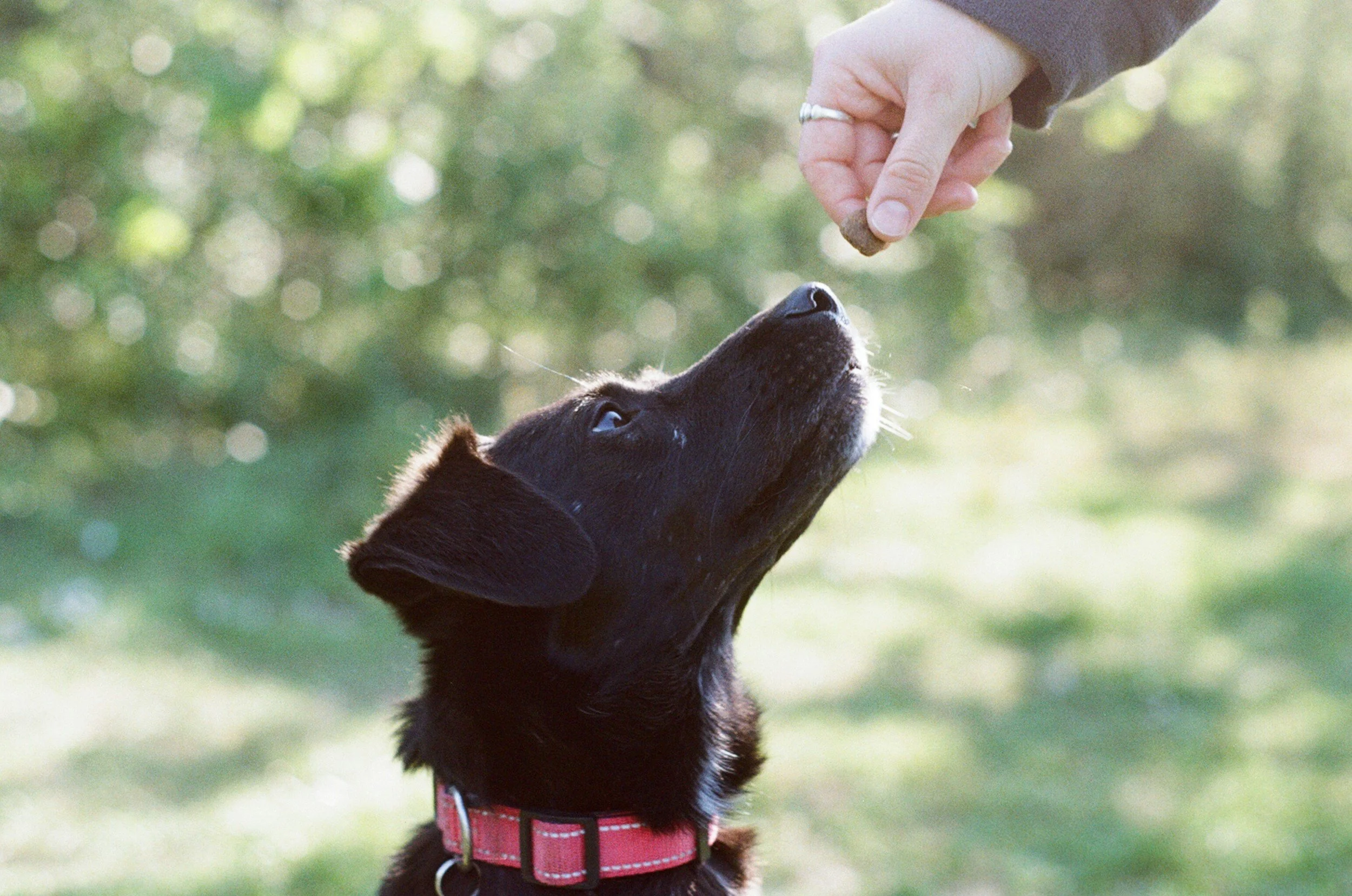
A marker is a distinct, instant signal, a specific sound, word, or click, that tells your dog the exact millisecond they did something right.
Think of a marker like taking a quick photo with your phone. It snaps a picture of the exact behavior you want to reward, bridging the gap between the correct movement and the delivery of the reward.
Why Marker Training Works
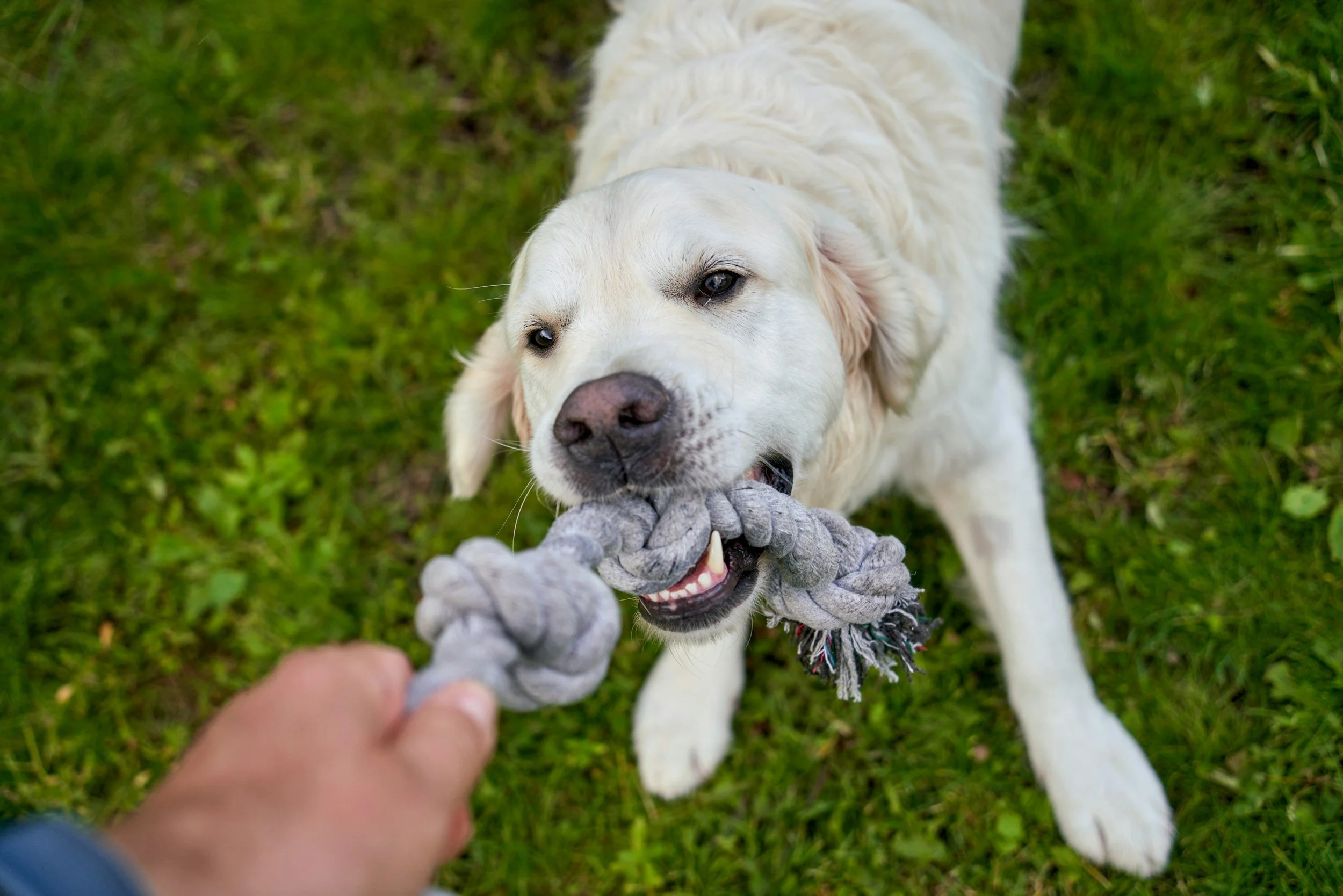
Eliminates Confusion: Dogs live in the present moment. If your dog sits and you take five seconds to pull a treat out of your pocket, they might think they are being rewarded for standing back up. A marker pins down the exact moment of success.
Builds Confidence: When rules are clear, dogs don't have to guess. They quickly learn how to control their environment and earn rewards through focus and cooperation.
Speeds Up Learning: Clear feedback means faster progress. Your dog learns to repeat rewarded behaviors much quicker because the rules never change.
Types of Markers
You can use verbal words or mechanical sounds as markers. The key is consistency and crisp timing.
Terminal Marker (e.g., "Yes!"): Signals to your dog that they performed the correct behavior, the exercise is complete, and they can come to you to get their reward.
Duration Marker (e.g., "Good"): Signals that they are doing the right thing and should hold that position (like a stay) to keep earning rewards.
Clicker: A small plastic box that makes a crisp "click" sound. It provides a neutral, highly precise marker sound that never changes tone.
How to Introduce Markers at Home
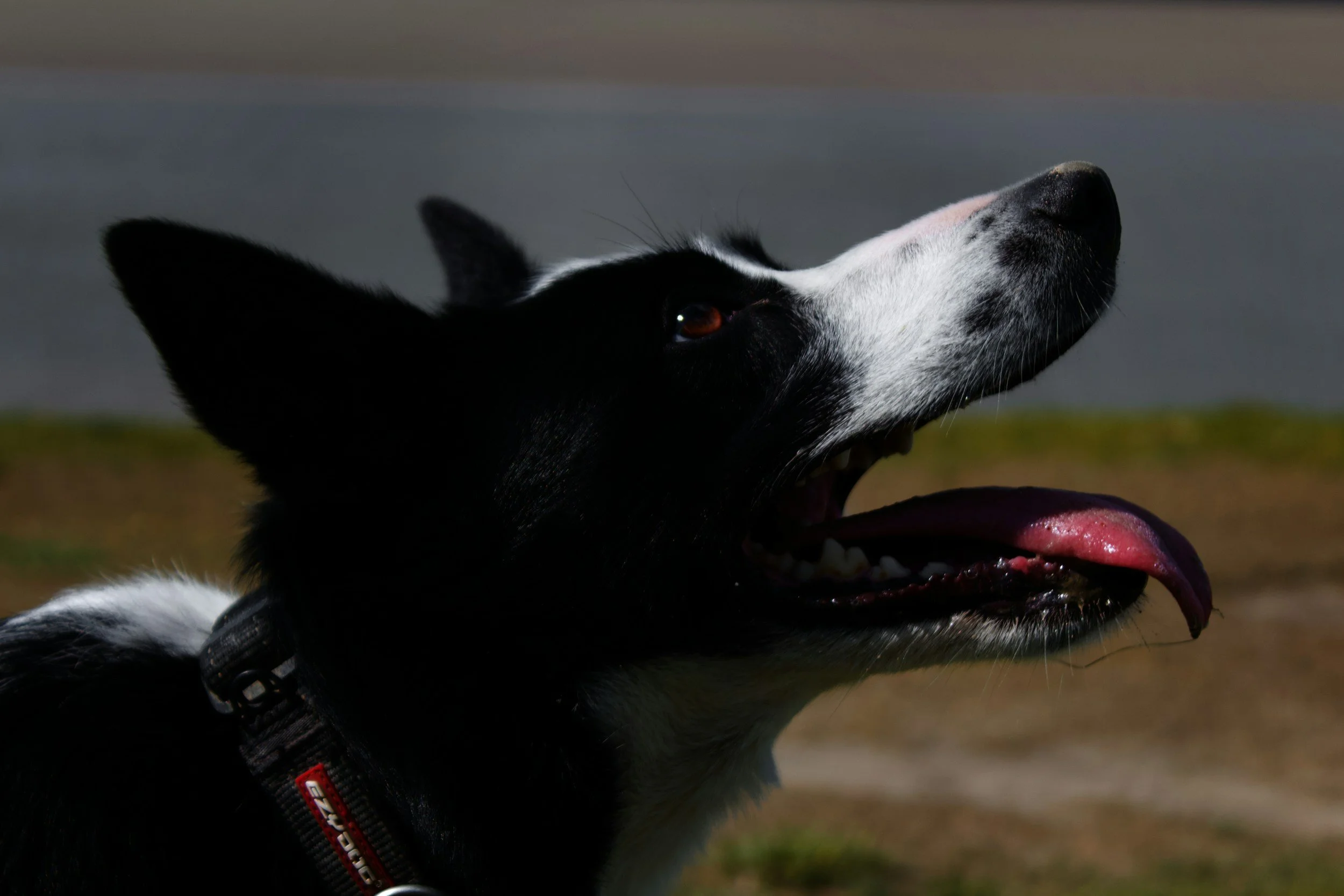
1. Charge the Marker: Say your chosen marker word (like "Yes!") in a clear, upbeat tone, then immediately give your dog a high-value treat. Repeat this 10–15 times without asking for any behavior until your dog's ears perk up the second they hear the word.
2. Time It Precisely: Practice marking simple behaviors your dog already knows, like a sit or down. Mark the exact moment their bottom touches the floor.
3. Follow Through 100% of the Time: A marker is a promise. Every single time you use your marker word, a reward must follow—no exceptions!
Real-World Application
Whether you are teaching a rock-solid recall, polishing up leash manners around distractions, or building focus during daily walks, markers give your dog the clarity they need to succeed.

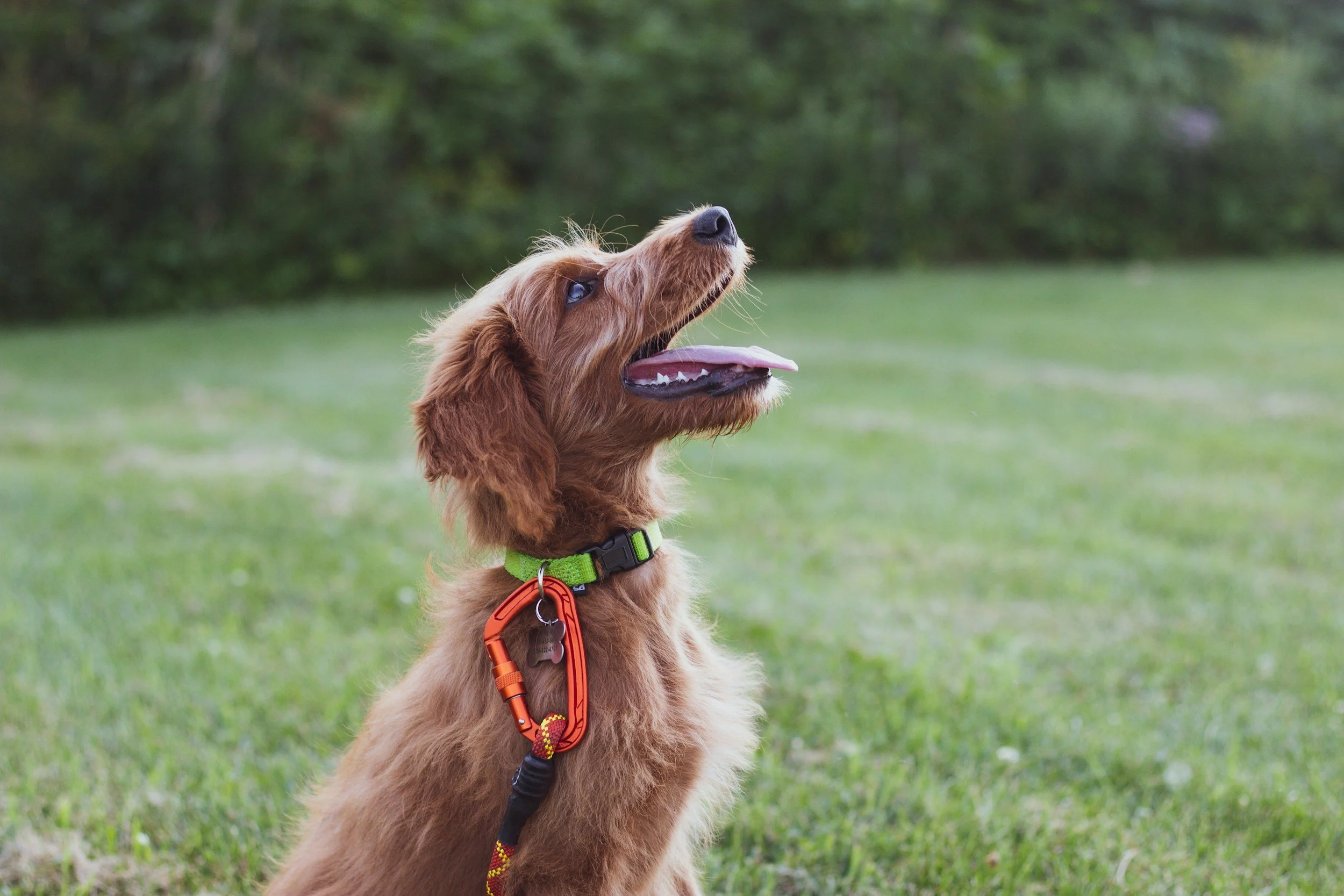
Understanding Balanced Dog Training: What It Really Means & Why It Works
Understanding balanced dog training.
When you start researching dog training, it doesn’t take long to run into a lot of confusing jargon, conflicting opinions, and heated debates online. One term you’ll see frequently is Balanced Dog Training—but what does that actually mean in practice?
At ChaseK9, balanced training isn't about rigid control or forcing compliance. It’s about creating clear, two-way communication, setting fair boundaries, and giving your dog the clarity they need to navigate the human world with confidence.
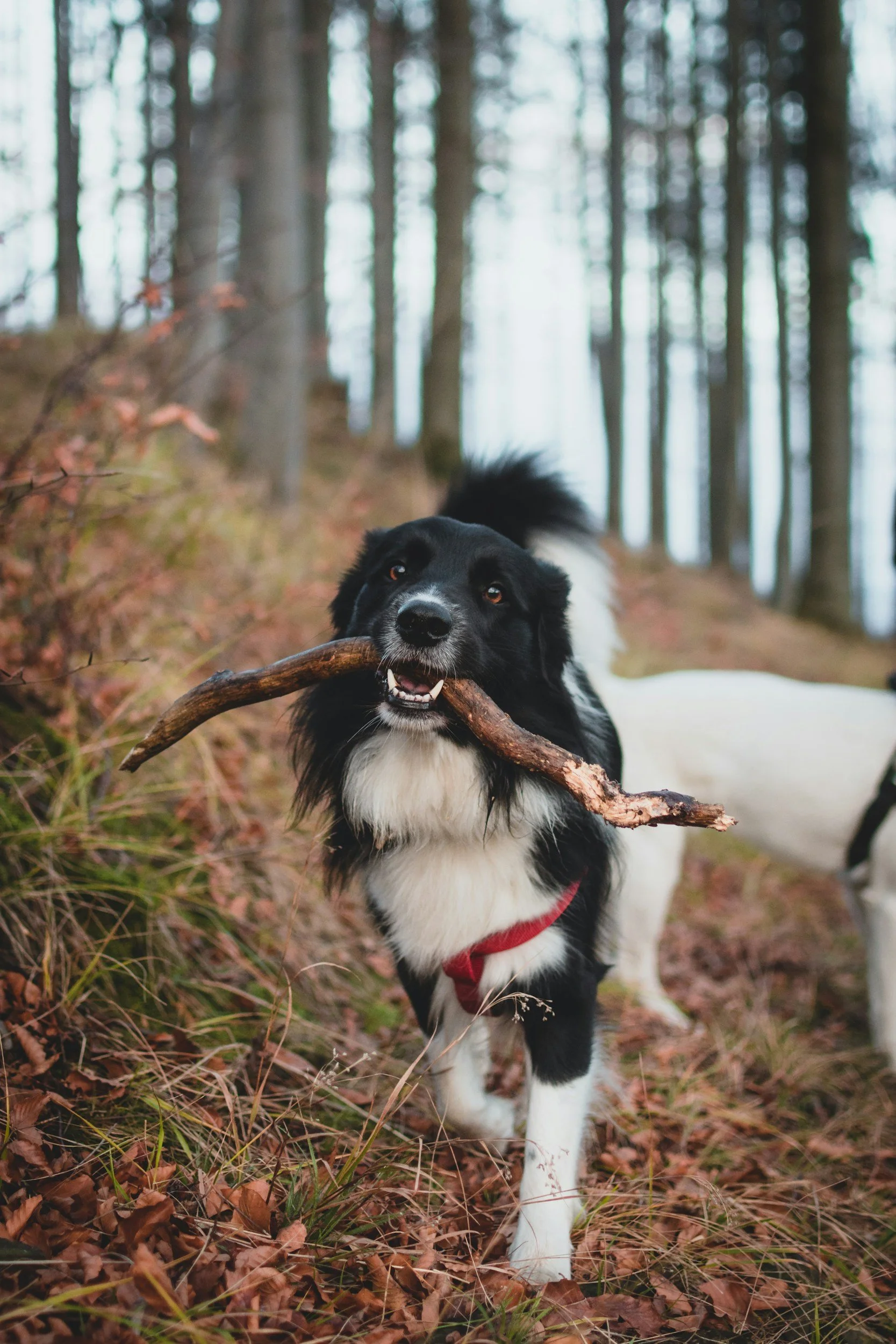
The Core Principles: Clear Communication.
Imagine trying to learn a brand-new language, but the teacher only ever tells you when you get an answer right, never letting you know when you're off track. Or conversely, imagine a teacher who only corrects your mistakes without ever praising your success. Both scenarios lead to confusion, frustration, and anxiety.
Balanced dog training bridges this gap by using all four quadrants of learning. In simple terms, it focuses on two main components:
1. Rewarding Desired Behaviours: We heavily motivate and reward the choices we want to see—using food, toys, praise, and real-world rewards like affection or access to the environment.
2. Providing Clear Boundaries: We provide fair, timely, and understandable feedback when a dog makes an unsafe or undesirable choice.
When a dog understands both "Yes, do more of that!" and "No, that choice doesn't work," the confusion disappears. Clarity brings confidence.
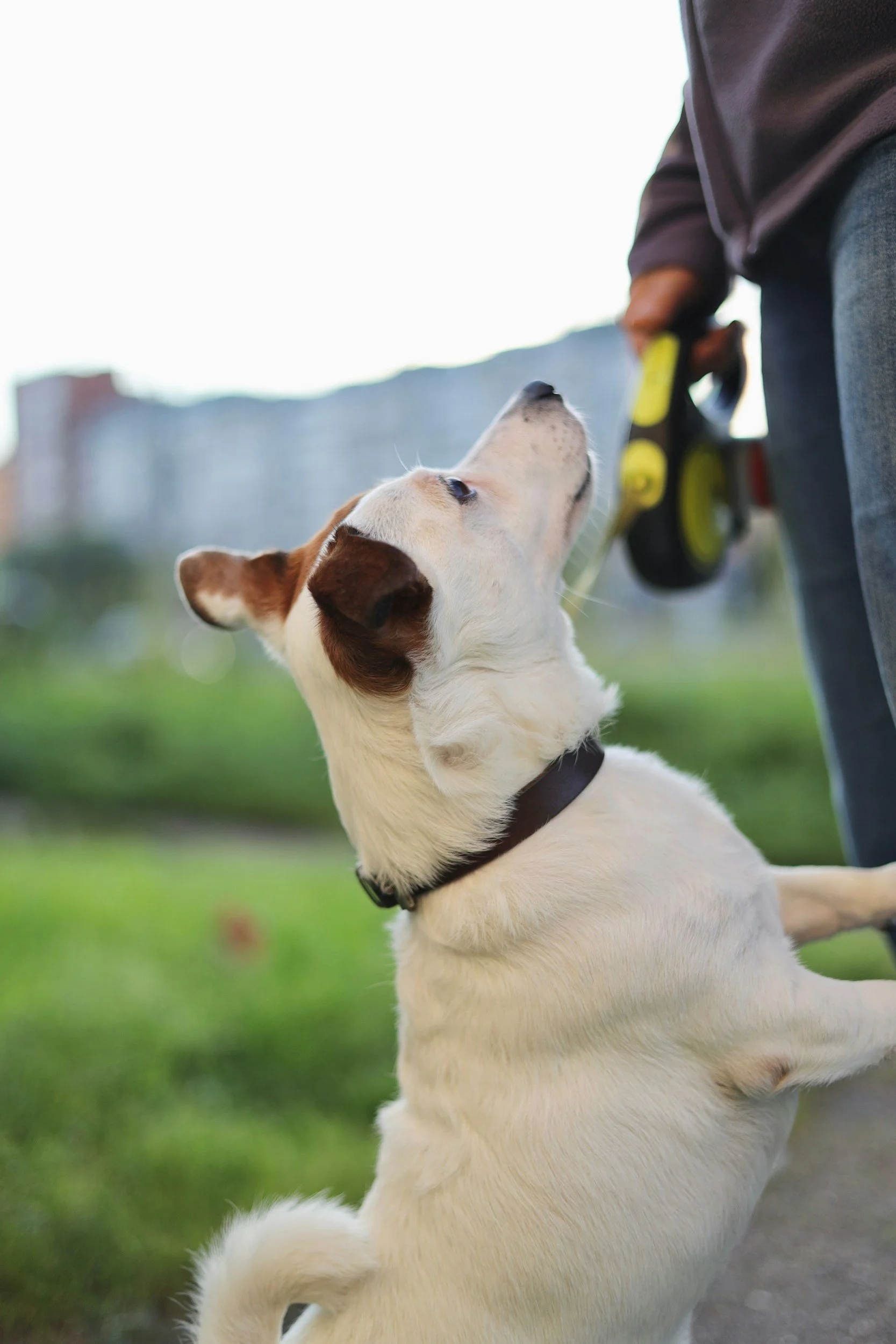
Why Freedom Is Earned, Not Given.
We all want our dogs to live their best lives—running free off-lead, joining us at outdoor cafes, and relaxing calmly around other dogs and people. However, true freedom requires reliability.
A dog who doesn't understand boundaries often ends up with less freedom: kept on a short leash, restricted from social outings, or constantly managed to prevent reactive outbursts. By establishing structure and consistent expectations early on, your dog earns the trust needed to safely enjoy more real-world freedom.
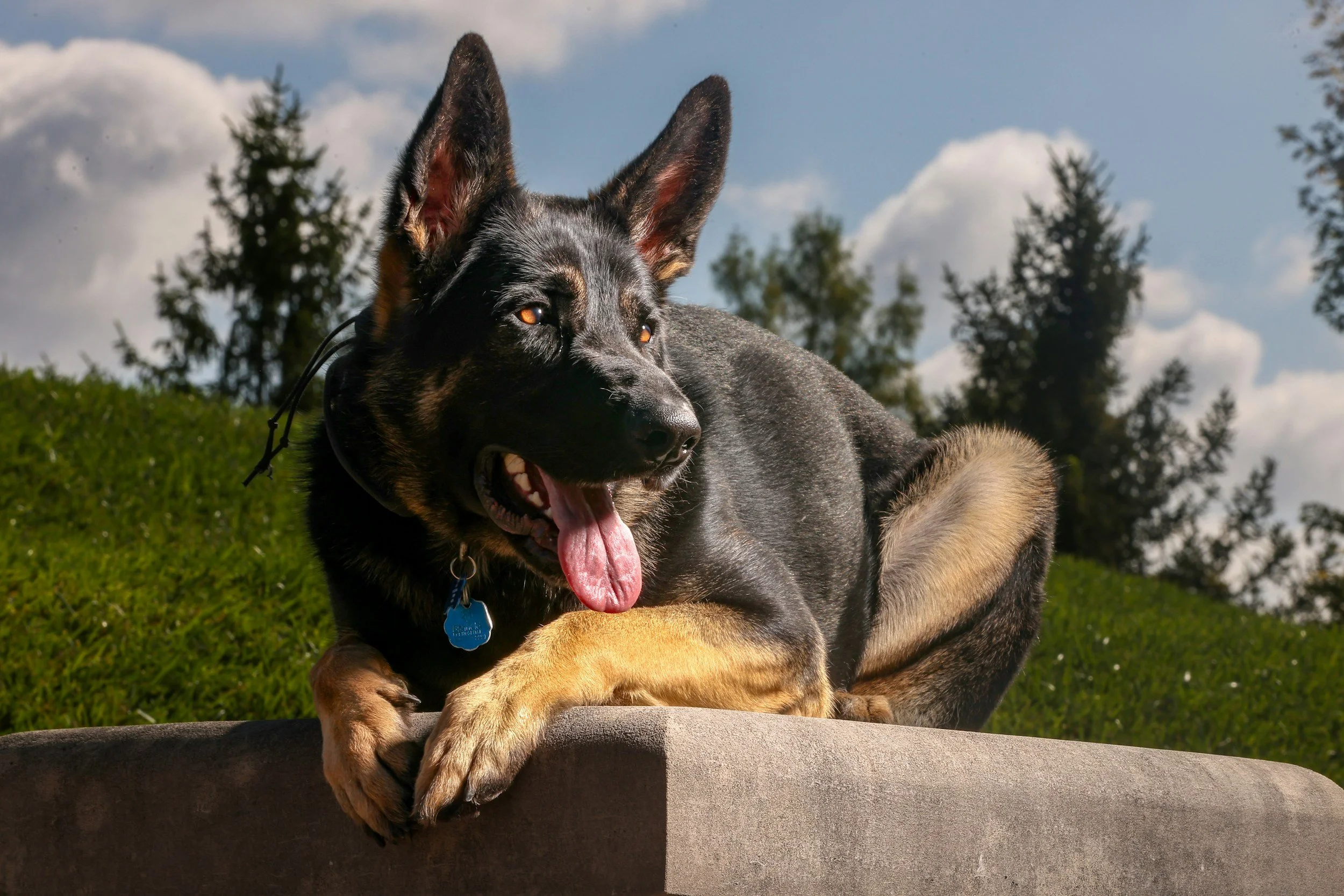
Combining Heart and Motivation: The NePoPo® Approach.
At ChaseK9, our balanced framework is heavily influenced by the NePoPo® method ("Negative-Positive-Positive").
This system is designed so that the dog not only performs a command reliably, but performs it with enthusiasm, speed, and heart. By pairing clear guidance with high-value reinforcement, training becomes an engaging game where your dog active seeks out the right answers. They don't just obey out of obligation—they love the process.
Every Dog Is an Individual
Great dog training is never a one-size-fits-all formula. What motivates a high-drive German Shepherd might not work for a sensitive rescue. A balanced approach allows us to tailor our training system specifically to your dog's unique personality, temperament, and drive.
Whether you're struggling with leash pulling, reactivity, impulse control, or simply want a more reliable recall, balanced training provides the structure needed for long-term success.
Ready to start your journey?
Every dog starts with an Initial Assessment where we evaluate their baseline manners, discuss your goals, and build a custom roadmap for you and your dog.